




Ceiling Ventilation Fans in Saudi Arabia
Ceiling fans and ceiling-mounted ventilation units cover a wide range of applications, from bathroom extract fans in a villa in Jeddah to large-diameter HVLS (high-volume, low-speed) fans circulating air through a 5,000 sqm logistics facility. Getting the selection right requires knowing what you’re actually trying to achieve. Air circulation and air extraction are different functions, and the equipment for each is different.
Honestly, the most common mistake I see in Saudi residential and light commercial projects is installing a fan that’s either underpowered for the humidity load in a bathroom, or oversized and noisy in an office environment. Both create problems. Neither is hard to avoid if you take 5 minutes to check the specs against the space.
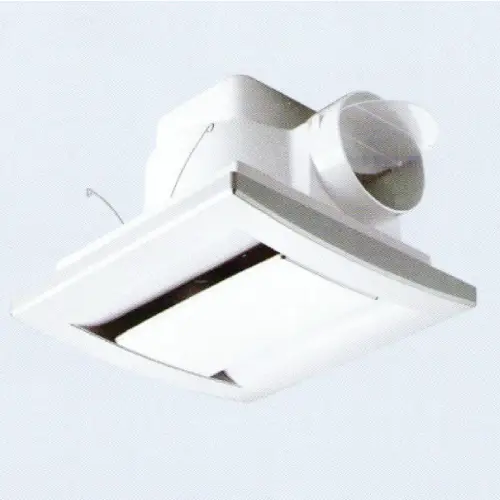
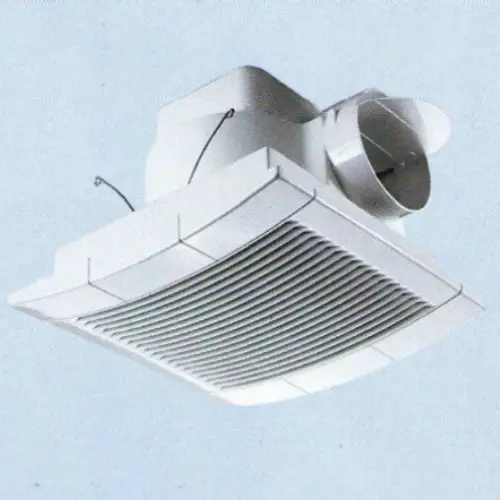
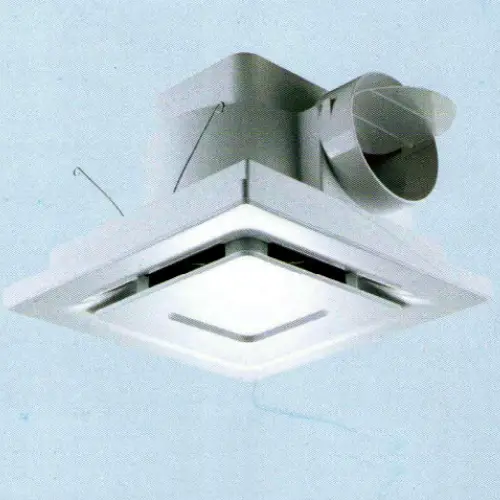
Types of Ceiling Ventilation Fans
Bathroom and Kitchen Extract Fans
These are the smallest units in the category. Their job is to remove humid, odor-laden air from compact enclosed spaces and exhaust it outside or into a duct leading outside. Saudi bathrooms, particularly in apartments without natural ventilation, depend entirely on these units to control moisture and prevent mold accumulation. A flow rate of 90 to 150 m3/h is typical for a standard bathroom. Kitchens with cooking activity need higher rates, especially given the cooking styles that generate significant steam and grease vapor.
Look for low noise ratings (under 35 dB for bedrooms, under 45 dB for bathrooms is acceptable). Timer functionality is worth having the fan continues to run for a set period after the light or switch turns off, which properly purges the residual humidity rather than stopping when the person leaves.
Office and Commercial Ceiling Fans (Low-Speed Circulation)
In air-conditioned commercial spaces, ceiling fans serve a different purpose than ventilation. They circulate conditioned air and reduce the sensation of stuffiness without adding heat load. A well-placed ceiling fan can allow thermostat setpoints to be raised by 2 to 3 degrees without any perceived comfort loss. In a country where SEC electricity bills are a real operating cost for building owners, that's meaningful. The Tarsheed program promotes exactly this kind of energy behavior change.
DC motor ceiling fans use significantly less power than older AC motor designs. A premium DC fan at 30W versus a legacy AC fan at 80W, running 10 hours a day, is a meaningful difference over a year at current SEC tariff rates.
Industrial HVLS Ceiling Fans
These large-diameter fans (2.4m to 7.3m blade span) move enormous volumes of air at low rotational speeds. The physics work because air movement at lower velocity covers much more area than a small fast fan. In a warehouse or factory with high ceilings, HVLS fans can reduce perceived temperature by 6 to 8 degrees through evaporative cooling of perspiration on skin, and they significantly reduce stratification, the hot-air-at-ceiling phenomenon that makes overhead work miserable and wastes heating energy in cooler months.
Key Buying Criteria
- Airflow (m3/h or CFM) matched to room volume and required air change rate
- Motor type: DC motor for energy efficiency and quiet operation, AC motor for heavy-duty or industrial use
- Noise level: Critical for residential and office applications
- IP rating: IP44 minimum for bathrooms, IP55 for outdoor-adjacent or humid industrial spaces
- Blade material: ABS plastic for standard use, metal or fiberglass for industrial environments
- Remote or smart control capability: relevant for commercial installations where manual wall switches aren't practical
- Reverse function: Useful for cooler months, pushes warm air that has risen to the ceiling back down
Why Buy Ceiling Fans from cool.sa
Every unit in this range is spec'd for Saudi conditions. High-ambient-rated motors, IP-rated options for coastal humidity and shamal dust, DC-motor models built for GCC realities. Not catalogue products sized for European climates.
Cool.sa range covers everything from a 90 m3/h bathroom extract fan to large-diameter HVLS units for warehouse ceilings. One supplier, one order.
Technical specs are accurate. Compliance documentation is available on request. Fast delivery across KSA.
الأسئلة الشائعة
Q1. What size ceiling fan do I need for my room?
As a general guide, rooms up to 15 sqm work well with ceiling fans up to 105cm blade span. Rooms between 15 and 30 sqm are best served by 120cm to 132cm fans. Larger spaces or rooms with high ceilings benefit from 150cm or larger fans, or multiple units. For industrial spaces, HVLS fan sizing is based on total floor area and airflow requirements rather than room size alone.
Q2. Are DC motor ceiling fans worth the price difference in Saudi Arabia?
Yes, especially for applications where the fan operates frequently. The energy savings achieved over typical Saudi household usage patterns—often 8 to 12 hours per day during shoulder seasons can recover the additional upfront cost within two to three years at current electricity tariff rates. DC fans also tend to operate more quietly and offer longer service life.
Q3. Can I install a ceiling fan in my bathroom?
You should only install a fan that is specifically rated for wet or humid environments, typically with an IP44 rating or higher. Standard ceiling fans are not designed for bathroom conditions and may present a safety risk in areas with elevated humidity levels. Always choose a model approved for bathroom or damp-location installation.
Q4. How often should ceiling ventilation fans be cleaned?
In Saudi Arabia's dusty environment, including exposure to shamal winds and construction dust, residential ceiling fans should generally be cleaned every 3 to 6 months. Industrial and heavily used commercial fans may require more frequent maintenance. Dust accumulation on blades can cause imbalance, increase noise levels, and reduce airflow efficiency.
Q5. What's the difference between a ceiling fan and a ceiling exhaust fan?
A ceiling fan circulates air within a room to improve comfort and airflow. A ceiling exhaust fan removes air from the room and discharges it outside through ductwork. Some specialized units combine both functions. For bathrooms, kitchens, and other areas requiring moisture or odor removal, an exhaust fan is required rather than a standard circulation fan.
 English
  العربية