




Welding and Brazing Materials for HVAC and Refrigeration Work in Saudi Arabia
In refrigeration and HVAC work, the joint is everything. A poorly brazed copper pipe joint doesn’t fail immediately, it fails 6 months later, usually in summer peak season when the system is under maximum pressure and your technician is already booked solid for two weeks. The difference between a good braze and a bad one comes down to technique, yes, but also to using the right materials for the application.
Cool.sa category covers welding and brazing consumables used in HVAC, refrigeration, and mechanical services work. Silver brazing alloys, copper-phosphorus (BCuP) rods, flux compounds, and oxy-fuel supplies. If you’re joining copper refrigerant lines, stainless pipe, or mild steel structural components in an HVAC installation, you’ll find the right material here.
Brazing vs Welding in HVAC: Know the Difference
Brazing operates below the melting point of the base metal, using a filler metal that flows at temperatures typically between 600°C and 900°C. It's used for joining copper refrigerant lines, heat exchanger connections, and any joint where the metallurgy of the base material must be preserved. Most refrigeration pipe work is brazed, not welded.
Welding fuses the base metals themselves at temperatures above their melting point. Used for structural steel frameworks, fan housings, mild steel ductwork, and heavy equipment mounting structures in HVAC installations. These are genuinely different processes requiring different skills and different consumables.
Brazing Alloys for Refrigeration Pipework
Silver Brazing Alloys (BCuAg)
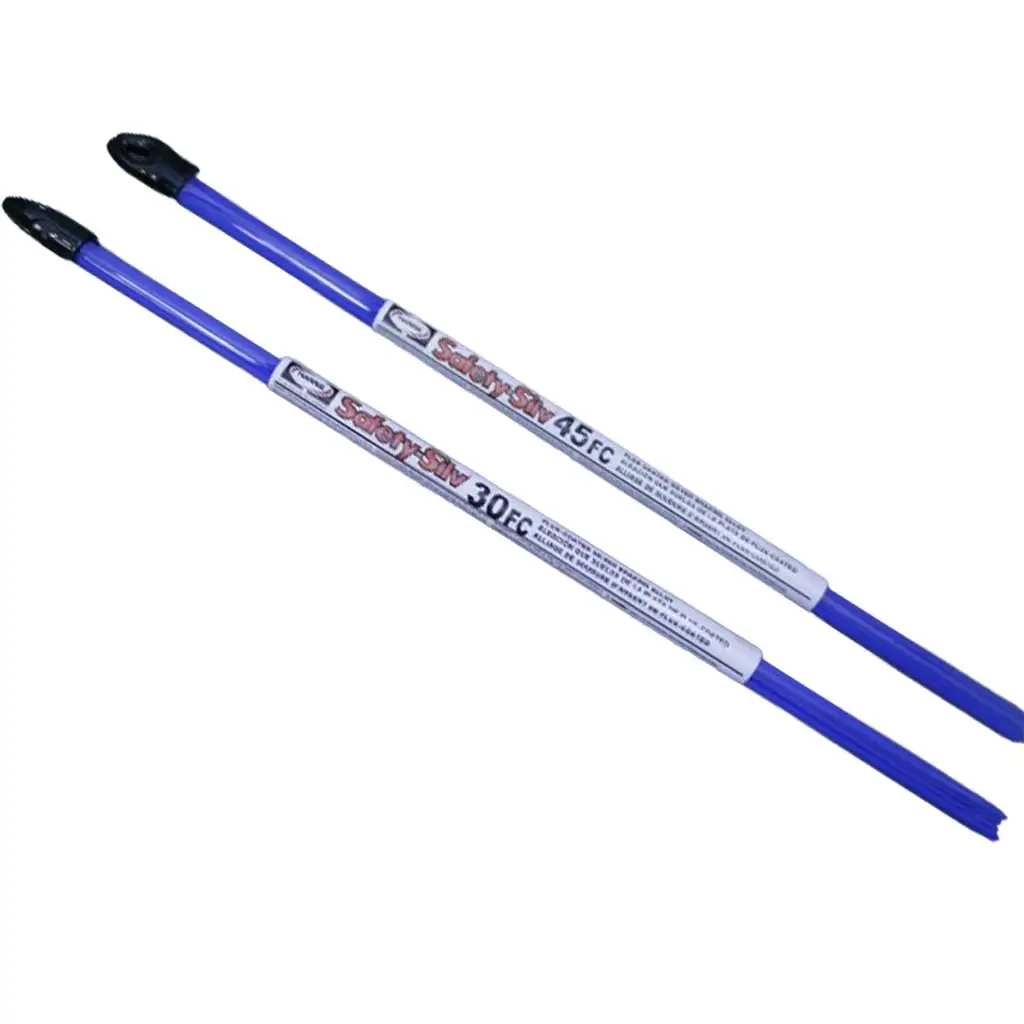
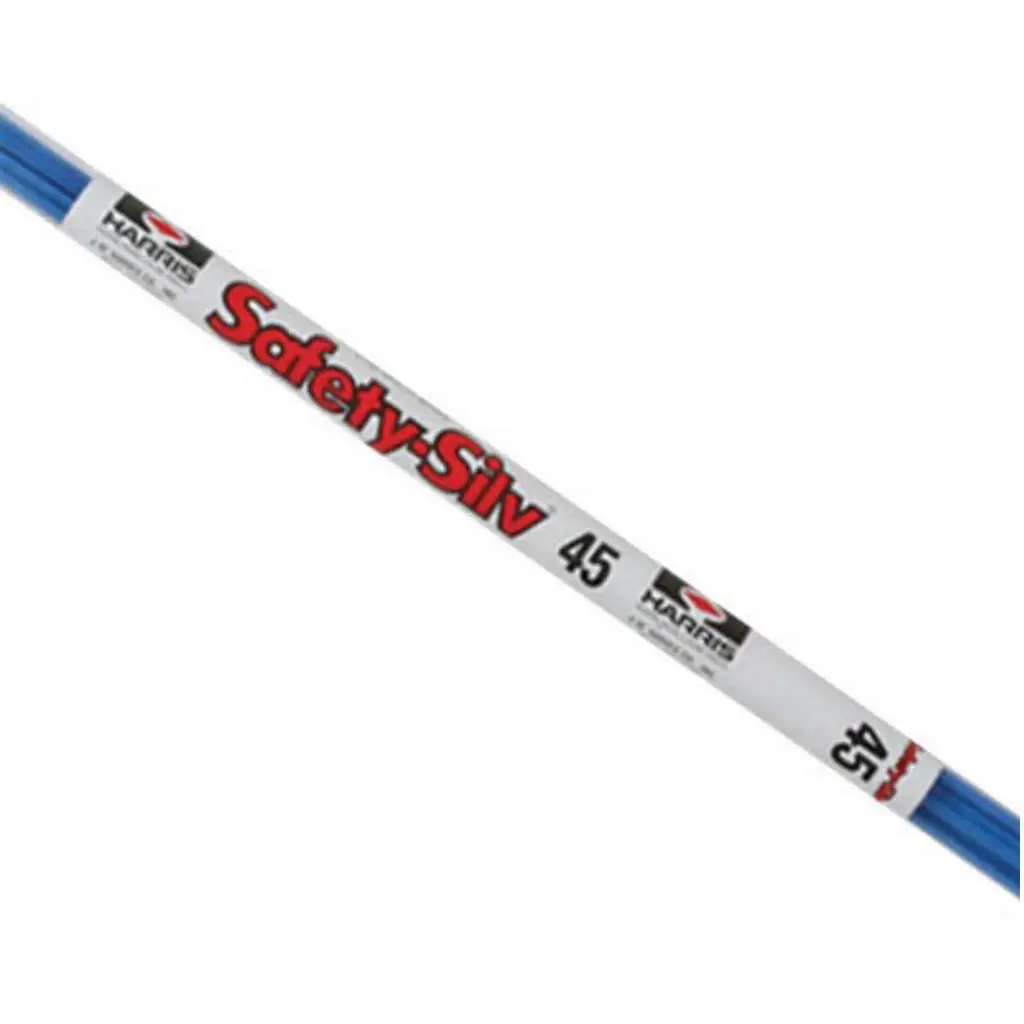
The go-to for refrigeration work. Higher silver content alloys (45% and above) give better flow, lower working temperature, and superior joint strength compared to low-silver or silver-free options. They're more expensive per rod, but the improvement in joint quality and the reduction in rework cost justify the price difference on any commercial or industrial refrigeration project. Don't cheap out on silver content for refrigerant circuits.
Copper-Phosphorus Alloys (BCuP)
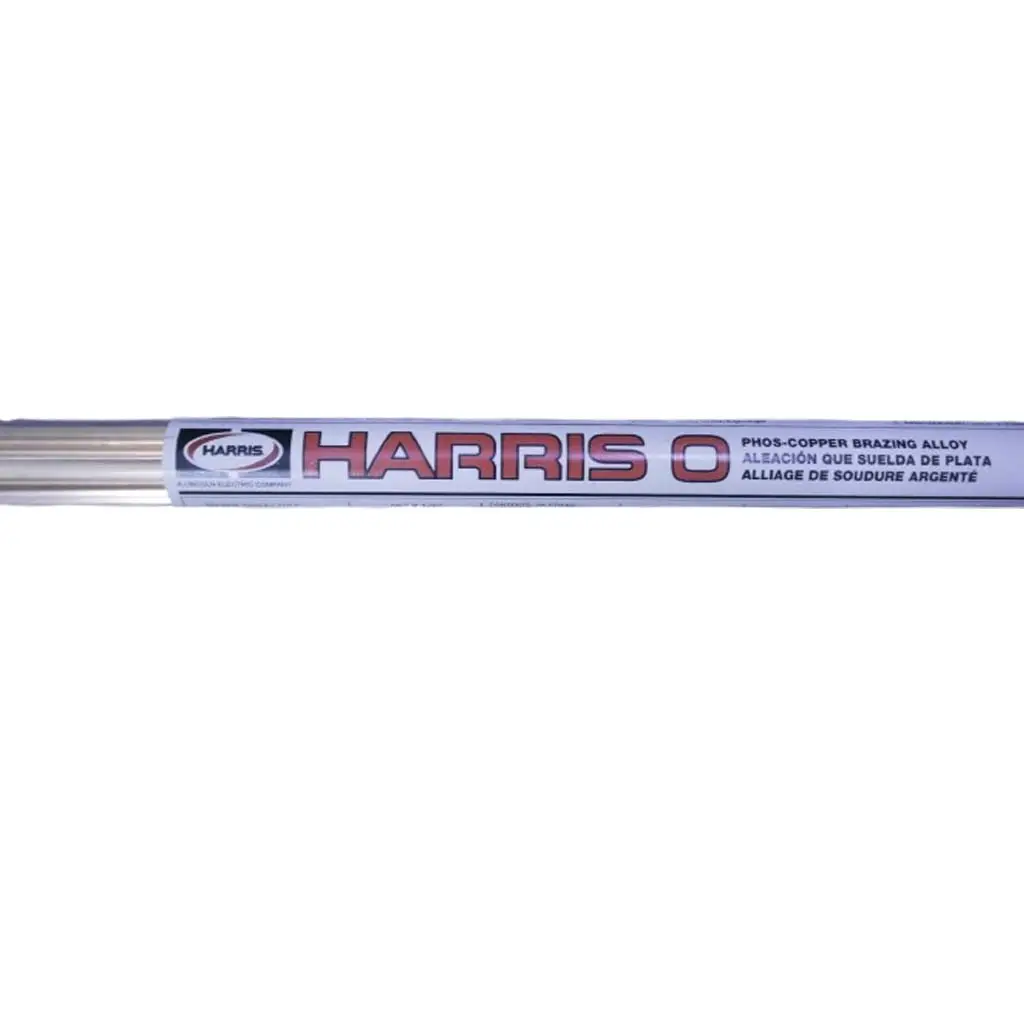
BCuP rods are self-fluxing on copper-to-copper joints. You don't need a separate flux compound, which saves time and reduces the risk of flux contamination inside the pipe. These are widely used for domestic and light commercial refrigeration work. The limitation: BCuP is not suitable for copper-to-brass or copper-to-steel joints. In those cases, a silver alloy with separate flux is the right choice.
Flux Compounds
Where flux is required (silver alloys on dissimilar metals, any joint involving brass or steel), getting the flux right prevents oxidation of the joint area during heating and promotes proper filler metal flow. Paste flux for most HVAC brazing applications. Powder flux for higher-temperature applications. Always purge the pipe with dry nitrogen during brazing — this prevents copper oxidation inside the pipe that creates scale that later deposits on compressor valves and expansion devices. That one habit saves a lot of service calls.
Oxy-Acetylene and Oxy-Fuel Welding Supplies
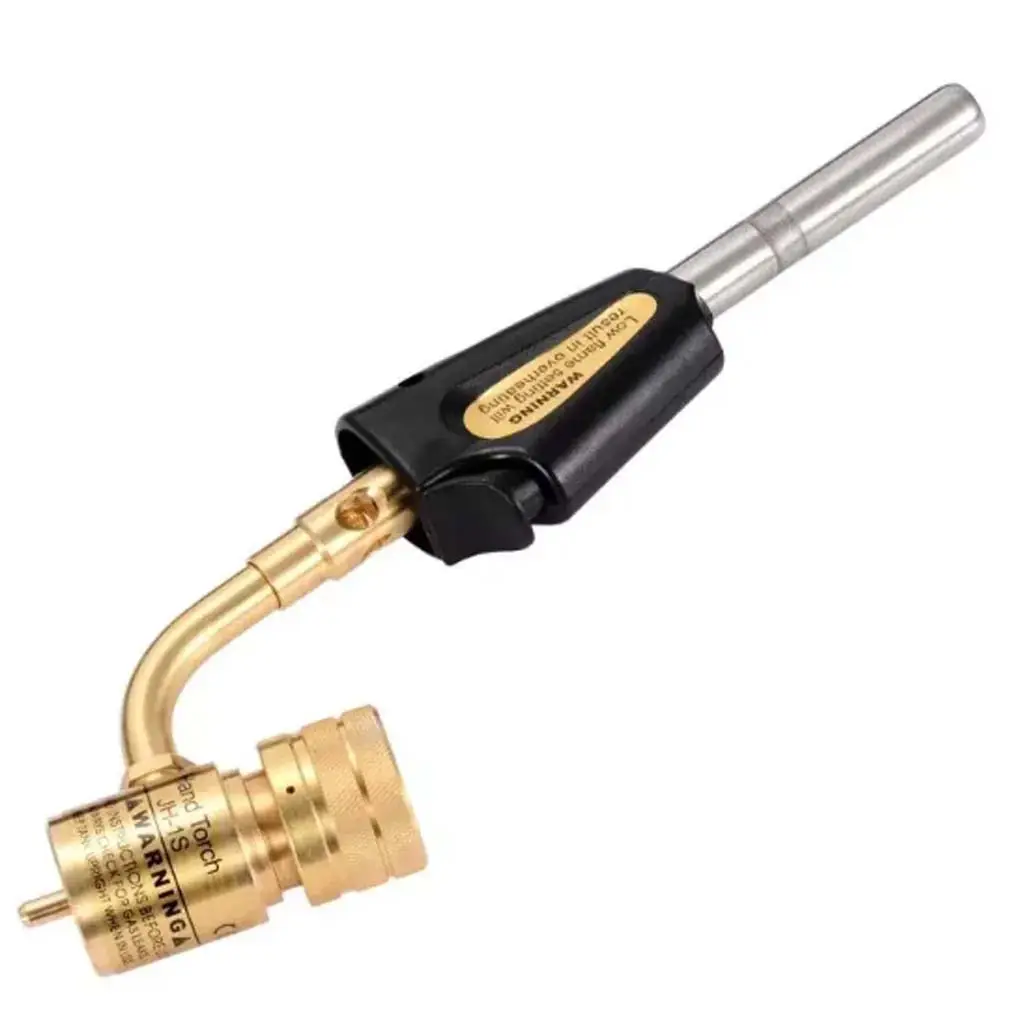
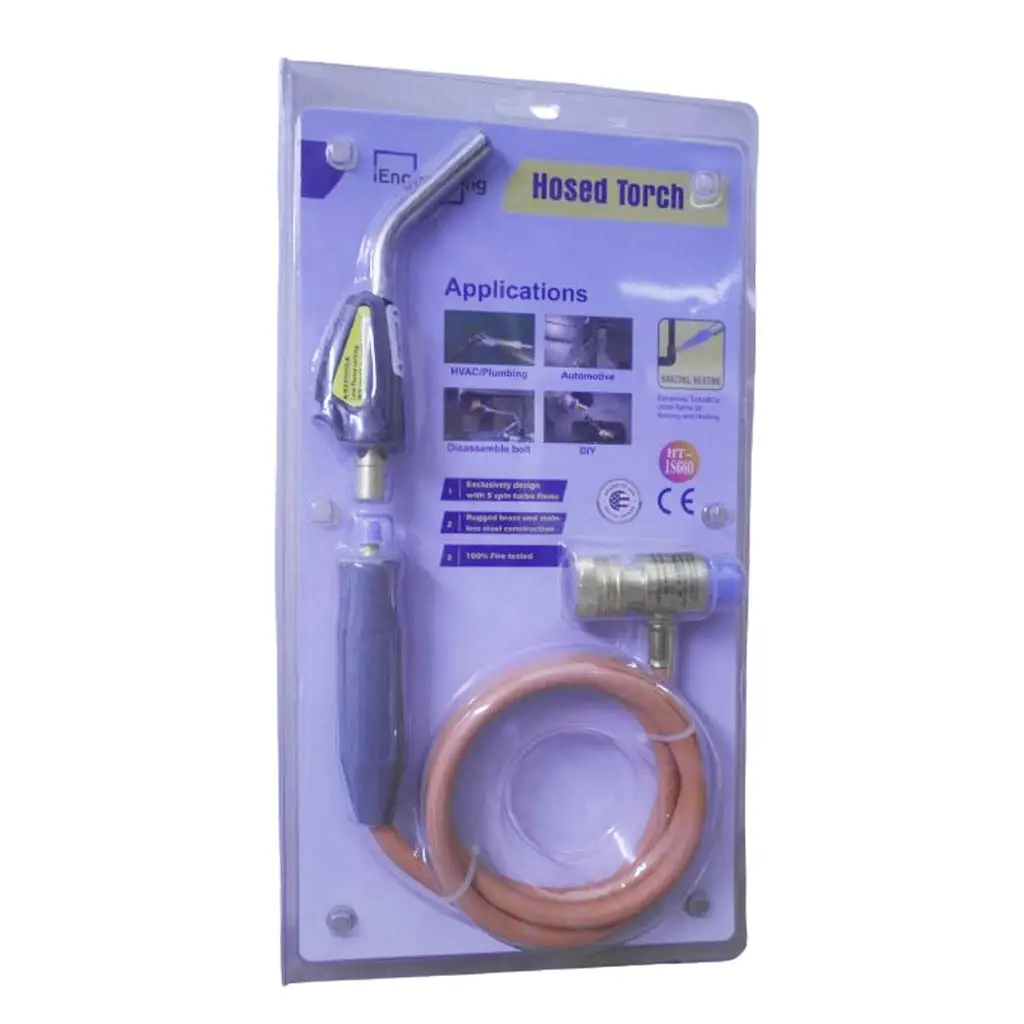
Torch equipment, hose sets, regulators, and tips for oxy-acetylene brazing and cutting work are part of this category. In Saudi Arabia, acetylene cylinders are available through certified gas suppliers, but the torches, hoses, flashback arrestors, and regulators are consumable and maintenance items that wear with use. A cracked hose or a faulty regulator on an oxy-fuel setup is a serious safety issue. Replace worn components promptly.
Welding Consumables for Structural HVAC Work
MIG wire, TIG rods, and stick electrodes for mild steel, stainless, and aluminum work used in HVAC support structures, custom duct fabrication, fan housings, and chiller base frames. Electrode selection depends on base material, position of the weld, and required mechanical properties. Mild steel structural work in HVAC installation doesn't require exotic consumables, but correct current settings and electrode class (E6013 for general purpose, E7018 for structural applications) make a real difference to finished weld quality.
Storage and Handling in Saudi Conditions
Brazing flux absorbs moisture and degrades in high humidity. Store flux containers sealed in a dry environment. Silver alloy rods don't need special storage but should be kept clean. Oxy-fuel hoses degrade in UV exposure, don't leave them coiled on a rooftop in Saudi sun between jobs. Electrode rods for stick welding, particularly low-hydrogen electrodes like E7018, must be kept dry in a rod oven or sealed container. Saudi humidity levels in coastal areas accelerate moisture absorption in low-hydrogen electrodes, which causes porosity in the weld.
الأسئلة الشائعة
Q1. What brazing rod should I use for refrigeration copper pipe?
BCuP alloys for copper-to-copper joints (self-fluxing, no separate flux needed). Silver alloys at 15% or higher silver content for copper-to-brass fittings or any joint requiring maximum strength. Don't use soft solder on refrigerant lines — the pressure and temperature cycling in modern systems will fail those joints.
Q2. Why do I need to purge with nitrogen when brazing refrigerant pipes?
Without nitrogen purging, the heat from brazing oxidizes the inside of the copper pipe, creating copper oxide scale. That scale breaks free in service, deposits on expansion valves, TXVs, and compressor reed valves, and causes premature system failure. Dry nitrogen purging is standard practice and non-negotiable on any quality installation.
Q3. Can I braze copper to steel with BCuP rods?
No. BCuP alloys are not suitable for copper-to-steel or copper-to-brass joints. Use a silver brazing alloy with a separate flux compound for dissimilar metal joints. BCuP is copper-to-copper only.
Q4. How should I store welding electrodes in Saudi Arabia?
Low-hydrogen electrodes (E7018 class) must be stored in a rod oven at 60 to 70°C to prevent moisture absorption. In coastal areas like Jeddah and Dammam, unopened sealed packs are acceptable for short-term storage, but any opened pack should go in the oven. Moisture in low-hydrogen electrodes causes hydrogen-induced cracking and porosity in the weld.
Q5. Is oxy-acetylene brazing equipment available for purchase on cool.sa?
Yes. Torch bodies, tips, hose sets, and regulators are available in this category. Acetylene cylinders are supplied locally through certified gas distributors and are not available for purchase online due to transport regulations.
 English
  العربية