




How to Maintain a Chiller in Saudi Arabia: The Complete 2026 Guide for Facility Managers and HVAC Contractors

2. Refrigerant Charge Verification
A low charge in 50°C ambient is brutal on a compressor. The unit runs harder. Discharge pressure climbs. Oil temperature goes up. Bearings suffer.
Overcharge is just as bad. Liquid floods back, oil dilutes, and you eventually slug the compressor.
Refrigerant top up in Saudi Arabia should always start with a leak hunt. SASO and GCC environmental rules require certified handling of R-134a, R-410A, R-32, and R-1234ze. Don’t let an uncertified tech open up your system.
When charging, measure superheat and subcool. Don’t chase a sight glass or a gauge reading. The OEM sticker assumes 35°C ambient and your unit isn’t operating there.
Need certified refrigerant for your AC or chiller top-up?
Shop SASO-compliant R-134a, R-410A, R-32, and R-1234ze refrigerants at Cool.sa, stocked locally and dispatched same-day across the Kingdom.
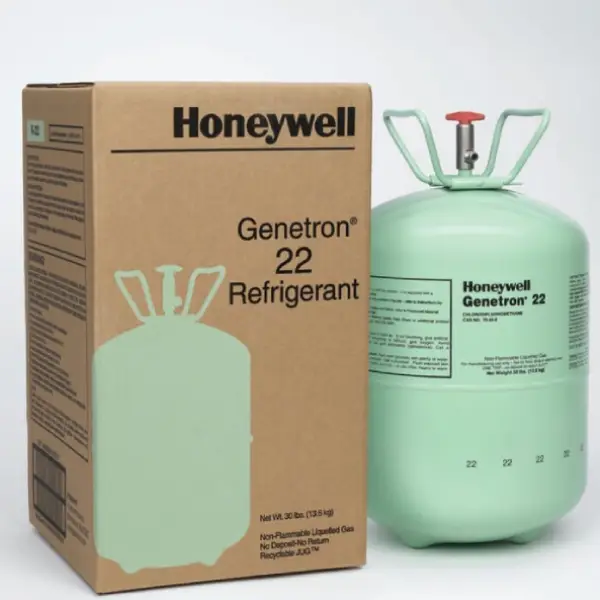
Certified Refrigerant Gases
SASO and GCC compliant refrigerants including R-134a, R-410A, R-32, and R-1234ze. Genuine Honeywell Genetron and trusted brands, ready for certified handling.
3. Water Treatment for Water-Cooled Chillers
In Saudi conditions, water treatment is non-negotiable. Run a proper chemical program that controls:
- Scale from calcium and magnesium hardness
- Corrosion, especially from chloride
- Biological growth, with Legionella control being critical for cooling towers
- TDS through correct blowdown cycles
Test the water weekly. Adjust dosing as needed. Physically clean tower basins twice a year minimum. In Jeddah, Dammam, and Jubail, salt-laden coastal air drives fouling much faster, so consider quarterly basin cleaning.
I’ve cut open evaporator tubes in a Riyadh hotel where the calcium scale was 3mm thick. The chiller still ran. It just drew 22% more power than nameplate to do its job.
4. Electrical and Control System Checks
Heat destroys electrical components. At 50°C panel temperatures, contactors and VFDs age fast. Every quarter:
- Tighten every electrical connection. Heat cycles loosen lugs, and loose terminals are a leading cause of motor burnout
- Thermal-image the main panel, the starters, and the VFD enclosure
- Verify sensors against a calibrated handheld instrument
- Test safety cutouts. High-pressure, low-pressure, oil, and flow switches
5. Lubrication and Oil Analysis
Oil is the cheapest diagnostic tool you have. Send samples to a lab quarterly. The report tells you about:
- Bearing or gear wear (metal particles)
- Acid formation from overheating
- Moisture contamination
- Viscosity breakdown
This one practice has saved facility managers in the Kingdom from compressor failures that would’ve cost north of 200,000 riyals to fix.
6. Tube Inspection and Cleaning
Once a year, run eddy current testing on condenser and evaporator tubes. You’re looking for wall thinning, pitting, and stress cracks. Catch them before refrigerant migrates into the water circuit and ruins both sides of the heat exchanger.
Brush the tubes mechanically during planned shutdowns. Don’t skip this because the unit “seems fine.”
Chiller Energy Efficiency and KSA Vision 2030
Tarsheed isn’t a slogan anymore. It’s tied directly to tariff structures, building permits, and green building certifications. HVAC eats around 70% of peak electricity demand in Saudi buildings, and the regulators know it.
A few maintenance-driven efficiency wins worth pursuing.
Keep heat transfer surfaces clean. A 1°C improvement in condenser approach temperature saves 2 to 3% on chiller power consumption. Easy math.
Optimize chilled water reset. Raising leaving chilled water from 6°C to 7°C during partial load can cut compressor energy 2 to 4% without anyone in the building noticing.
Retrofit VFDs. Constant-speed pumps and tower fans usually drop 20 to 40% of their energy use after a VFD goes in.
Trend kW/TR monthly through the BMS. Efficiency drift is invisible day to day. Over six months it adds up to serious money.
What good looks like in KSA. Water-cooled centrifugal units around 0.55 to 0.70 kW/TR. Air-cooled screw units around 1.0 to 1.3 kW/TR. If your numbers are higher, start with maintenance before you start thinking about replacement.
Common Chiller Issues in Saudi Arabia (and How to Prevent Them)
Compressor short-cycling. Usually low refrigerant, dirty condenser, or wrong control setpoints. Find the cause. Don’t just bandage the control logic.
High discharge pressure trips. Nine times out of ten this is the condenser. Dirty coils on air-cooled units. Scaled tubes or low water flow on water-cooled units. Failed condenser fan motors that nobody noticed.
Refrigerant leaks. Vibration cracks brazed joints. Corrosion eats Schrader valves. Coastal humidity accelerates both. Run an annual leak detection sweep with an electronic detector or UV dye.
Cooling tower drift and scale. Usually points to inadequate treatment or running too many cycles of concentration. Bring in a water chemist if the trend doesn’t reverse.
Sensor drift. Heat and dust kill accuracy. Calibrate annually against a traceable standard. A pressure transducer reading 2 bar low will have you chasing ghosts for weeks.
When to Repair vs. Replace
Saudi conditions push chillers to end-of-life sooner than the 20 to 25 year nominal design life. I’d start the replacement conversation when:
- kW/TR sits 25% or more above design even after a proper service
- Compressor or major component overhaul costs go over 40% of a new unit
- The refrigerant is being phased out (R-22 should already be gone, R-410A is next)
- Tubes keep failing despite repairs
Newer machines on R-1234ze, R-513A, or R-32 deliver real efficiency gains and keep you compliant with GCC environmental commitments.
Expert Insights from the Field
A few things I wish more facility teams understood.
The dangerous failure isn’t the dramatic one. It’s the slow drift. A chiller losing 0.5% efficiency a month from accumulating scale will cost you more in wasted electricity over two years than a complete overhaul would have. Trend your kW/TR monthly. Pay attention to the slope, not just the number.
Sandstorm season needs special handling. After a major dust event, get a tech out within 48 hours to clean condensers. Don’t wait for the next scheduled PM. By then the damage to your summer energy bill is already done.
Train your operators to spot early warnings. Rising amp draw. Changing approach temperatures. New noises. Most catastrophic failures broadcast warnings for days or weeks beforehand. A sharp operator catches what the quarterly PM misses.
And keep critical spares on site. Contactors. Sensors. A spare oil charge. TXV bulbs. Lead times for some specialty parts run 6 to 12 weeks in KSA. You don’t want that conversation with your tenant on a Thursday afternoon in July.
How cool.sa Keeps Your Chiller Running Through KSA Summers
Look, maintenance plans only work when the parts are actually on the shelf. That’s where most facility teams in the Kingdom get stuck. A failed contactor or a leaking Schrader valve turns into a 6-week wait if your supplier ships from Europe.
cool.sa solves that. We stock the parts, chemicals, and tools Saudi HVAC teams actually use, locally in the Kingdom, ready to dispatch.
Here’s what we handle for you:
- Chiller spare parts in stock locally. Contactors, sensors, TXVs, solenoid valves, flow switches. No 90-day lead times from overseas.
- Genuine refrigerants with proper certification. R-32, R-410A, R-134a, R-1234ze. SASO-compliant and ready to ship.
- Coil cleaners and water treatment chemicals formulated for KSA conditions, not generic imports that strip fin coatings.
- HVAC diagnostic tools. Manifold gauges, leak detectors, thermal cameras, megger testers. Everything a tech needs on a service call.
- Compressor oils and lubricants matched to your specific chiller model.
- Same-day dispatch across Riyadh, Jeddah, Dammam, and the rest of the Kingdom.
- Bulk pricing for contractors and facility teams running multiple sites.
Whether you’re prepping for summer, recovering from a sandstorm, or stocking critical spares before peak season, we’ve got your back.
Conclusion
Maintaining a chiller in Saudi Arabia takes a different approach than the OEM manual suggests. Tighter intervals through summer. Proper water treatment, not the cheap version. Monthly condenser cleaning. Efficiency monitoring that actually catches drift. That’s the baseline here, not the gold standard.
The payoff shows up in places that matter. Equipment that lasts. SEC bills that stop climbing. Vision 2030 compliance handled without panic. And no 2 AM phone calls in August because the only chiller in the plant just locked out.
For facility managers and HVAC contractors sourcing chiller spare parts refrigerants, water treatment chemicals, and diagnostic tools in Saudi Arabia, a reliable local supply chain matters as much as the maintenance plan itself.
Frequently Asked Questions
How often should a chiller be serviced in Saudi Arabia?
Daily operator checks, weekly walk-throughs, monthly condenser cleaning and refrigerant verification, quarterly oil analysis and electrical testing, and a full annual overhaul. Cut OEM intervals roughly in half during summer because of the heat and dust exposure.
Can I top up chiller refrigerant in Saudi Arabia without finding the leak?
No. Adding refrigerant without fixing the leak is bad practice and breaks GCC environmental rules. SASO-certified technicians should handle refrigerant work using proper recovery and charging equipment.
What is a good kW/TR efficiency for a chiller in KSA?
Water-cooled centrifugal units should hold 0.55 to 0.70 kW/TR under design conditions. Air-cooled screw units typically land at 1.0 to 1.3 kW/TR. Higher numbers usually mean dirty heat exchangers, scale buildup, or aging equipment.
How does Vision 2030 affect chiller maintenance requirements?
Tarsheed and SASO regulations push HVAC efficiency through equipment standards, refrigerant phase-downs, and reporting requirements. Facility managers now carry real accountability for chiller efficiency, which makes preventive maintenance both a cost saver and a compliance activity.
What’s the most common cause of chiller failure in Saudi Arabia?
Condenser problems lead the list. Dirty coils on air-cooled units, scaled tubes on water-cooled units. Both push discharge pressure up, stress the compressor, and eventually cause failure. Regular condenser cleaning prevents most of these issues.
Should I replace my R-22 chiller in Saudi Arabia?
Yes. R-22 has been phased out under Montreal Protocol amendments adopted across the GCC. Keeping these systems running gets more expensive every year as supply tightens. Replacement with R-1234ze, R-513A, or R-32 equipment gives you better efficiency and keeps you compliant.

 English
  العربية