




Inline Duct Fans | Extract and Boost Ventilation for Saudi Arabia
An inline duct fan solves a specific problem: you need to move air through a duct run and either the main fan can’t handle it, or there’s no main fan and you need a self-contained extract or supply solution. They fit inside the duct, they connect from both ends, and they do the job without taking up floor space or wall openings.
cool.sa supplies inline duct fans across the full range of Saudi commercial and residential ventilation applications. Circular section fans from 100mm to 630mm and beyond, rectangular duct fans, mixed flow fans for longer runs, and centrifugal-type inline units for higher static pressure applications.
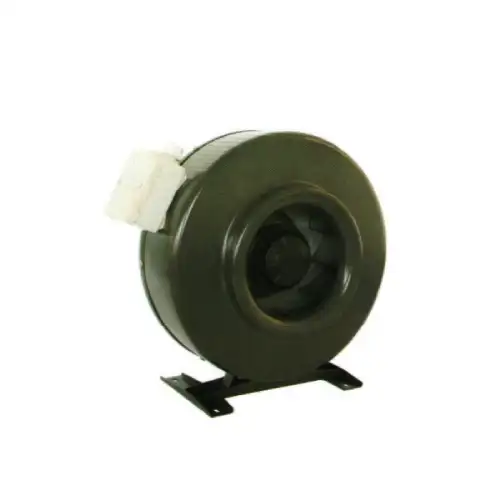
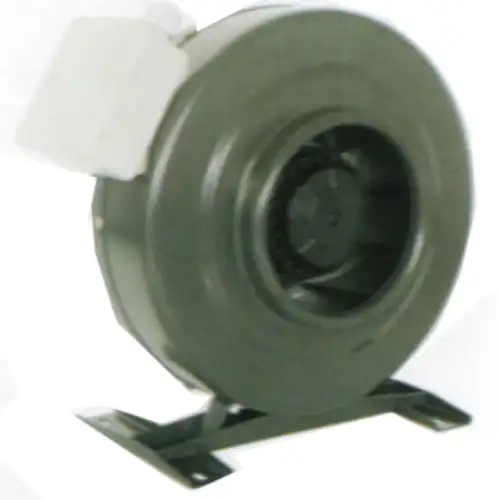
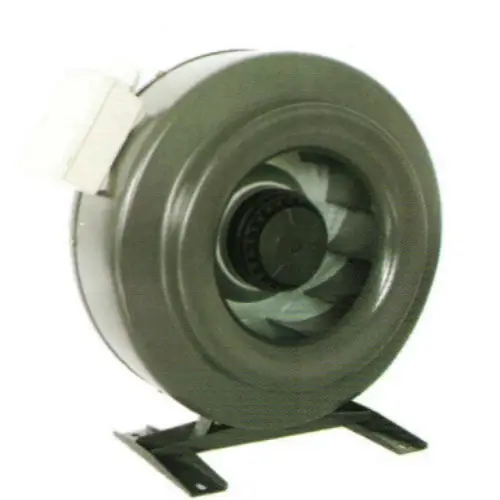
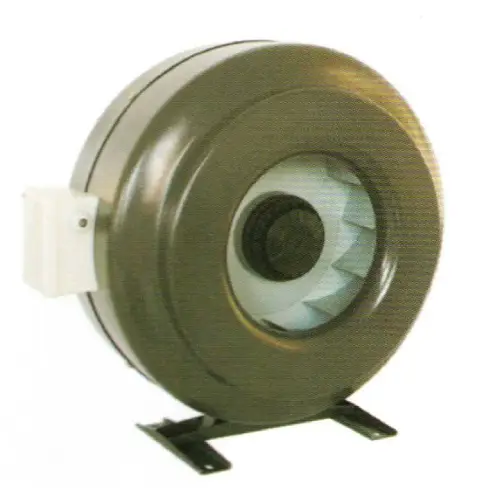
Inline Duct Fans | Extract and Boost Ventilation for Saudi Arabia
An inline duct fan solves a specific problem: you need to move air through a duct run and either the main fan can't handle it, or there's no main fan and you need a self-contained extract or supply solution. They fit inside the duct, they connect from both ends, and they do the job without taking up floor space or wall openings.
cool.sa supplies inline duct fans across the full range of Saudi commercial and residential ventilation applications. Circular section fans from 100mm to 630mm and beyond, rectangular duct fans, mixed flow fans for longer runs, and centrifugal-type inline units for higher static pressure applications.
Where Inline Duct Fans Are Used in Saudi Projects
Bathroom and toilet extract ventilation: This is the highest-volume use case in residential and commercial builds. Saudi building codes require mechanical extract from WC spaces. Inline fans on a circular extract duct are the standard solution quieter than window units and easier to balance across multiple outlets.
Kitchen extract in apartments and small commercial kitchens: For residential kitchens exhausting through a shared extract shaft, inline fans on the branch duct prevent cross-contamination between units and maintain negative pressure in the kitchen. In small commercial kitchens (coffee shops, canteens), inline fans serve as the primary extract unit before a roof-mounted grease filter arrangement.
Office and commercial fresh air supply: Where a dedicated fresh air handling unit is oversized for a small application, an inline fan on the fresh air duct pulls outdoor air through a filter box and delivers it to the space. Common in small office fit-outs and retail units.
Duct booster applications: Long duct runs from a central AHU often lose pressure before reaching remote outlets. Installing a booster inline fan at a point 60 to 70% down the run lifts pressure back up and restores airflow at the end terminals. This is cheaper than replacing the main fan or upsizing the ductwork.
Parking garage and basement ventilation: Jet fans handle the main smoke and CO extract, but inline fans on specific extract or supply branches serve ancillary spaces stairwells, storage rooms, equipment rooms.
Server room and comms room ventilation: Small server rooms in Saudi offices often rely on a dedicated split AC plus supplementary ventilation. An inline fan on a fresh air intake duct provides pressurization and makeup air without a full AHU.
Circular vs Rectangular Inline Duct Fans
Most inline duct fans are circular (spiro duct compatible). That covers 95% of residential and commercial extract applications in Saudi Arabia. Spiro duct is the standard for kitchen and bathroom extract, and the fan sizes map directly to duct diameters: 100mm, 125mm, 150mm, 200mm, 250mm, 315mm, 355mm, 400mm, 450mm, 500mm.
Rectangular inline fans suit square or rectangular duct systems, more common in large commercial HVAC where the main distribution is rectangular and you need an inline booster or branch fan without transitioning to circular.
Truth is, if you're working in a residential or light commercial project, you'll almost always be using circular inline fans. The rectangular types show up in hotel, mall, and commercial tower work.
Mixed Flow vs Centrifugal Inline Fans
Standard inline fans use an axial impeller, efficient at low pressures, compact, and good for straightforward extract applications. For longer duct runs or systems with more resistance (bends, filters, grease traps), the static pressure capability of a basic axial inline fan starts to fall short.
Mixed flow inline fans use an impeller that combines axial and centrifugal principles, giving higher static pressure than a pure axial type while keeping the same cylindrical duct-connection form factor. For extract runs over 15 to 20 meters or systems with duct resistances above 100 to 150 Pa, mixed flow is the better choice.
For very high pressure requirements in an inline configuration spray booth exhaust, industrial process extract a centrifugal inline fan (plug fan in a circular housing) delivers performance closer to a full centrifugal blower.
Inline Fan Installation: What Contractors Need to Know
A few field realities that specs don't always capture:
Inline fans need access for maintenance. You cannot install them in a concealed ceiling void with no access panel and then call the job done. SEC-registered contractors know this. The client will need to have grease and lint cleaned from the impeller at some point, and someone needs to get to it. Mark access panel requirements on your drawings.
Noise transmission through the duct is a common complaint. Inline fans generate vibration that travels along the duct casing. Flexible connections on both the inlet and outlet sides prevent this from transmitting into the ceiling structure. Don't skip the flex, especially in hotel and residential projects where tenants will complain about noise.
Speed control on inline fans extends life and reduces noise. A fan running at 75% speed is quieter and lasts longer than one running at 100%. Timer controls and humidity sensors on bathroom fans also prevent the all-too-common problem of fans left running 24/7 when extract is only needed a few minutes per hour.
IP rating: inline fans inside ceiling voids above bathrooms should be IP44 minimum. Fans installed in wet or damp locations — laundry rooms, plant rooms with potential water ingress — need IP55 or higher.
Inline Fan Sizes and Selection Guide
Start with your required airflow per outlet or per space:
- Single WC extract: 54 to 90 m³/h (100mm to 125mm fan)
- Multiple WC shaft extract: 200 to 500 m³/h (150mm to 250mm fan)
- Small kitchen (residential): 120 to 250 m³/h (125mm to 150mm)
- Commercial kitchen (small): 500 to 1,500 m³/h (250mm to 355mm)
- Office fresh air supply (small): 200 to 800 m³/h (150mm to 250mm)
- Duct booster (office or commercial): size to match existing duct and required pressure boost
Then check the static pressure at that airflow — a 100mm fan moving 80 m³/h against 80 Pa is a standard bathroom extract job. A 250mm fan moving 800 m³/h against 200 Pa is a mixed flow unit application.
Frequently Asked Questions
Q1. What size inline fan do I need for a bathroom extract in Saudi Arabia?
For a single toilet or bathroom, a 100mm or 125mm inline fan is standard, providing 50 to 90 m³/h of extract airflow. Saudi building regulations typically require a minimum of 10 air changes per hour for WC spaces. Calculate the room volume, multiply by 10, and confirm the fan delivers that airflow at your estimated duct resistance.
Q2. Can I use an inline duct fan for kitchen extract with grease?
Standard inline fans are not suitable for grease-laden kitchen exhaust without a grease filter upstream of the fan. Grease builds up on the impeller and inside the housing, creating a fire hazard. Install a grease filter box before the fan and use a fan model rated for kitchen grease extract service. Check that the impeller is accessible for cleaning.
Q3. What is the maximum duct length for an inline fan?
This depends on the fan's static pressure rating. A basic axial inline fan handles 50 to 100 Pa, suitable for duct runs of roughly 5 to 15 meters with standard bends and fittings. For longer runs, use a mixed-flow fan rated to 200 to 400 Pa. Calculate your system pressure drop before specifying the fan.
Q4. Do inline fans need to be isolated for maintenance?
Yes. Every inline fan should have an isolation valve or damper on the circuit and be wired through an isolator switch accessible near the unit. Building regulations and good engineering practice require this, allowing technicians to safely isolate the fan before removing it or cleaning the impeller.
Q5. Are inline fans suitable for extract in car parks?
Inline fans on specific branches, such as stairwells and ancillary rooms, are commonly used in parking structures. However, the main CO extraction system in a car park is typically handled by high-volume centrifugal fans or jet fans sized according to the smoke extraction and ventilation strategy. Consult a mechanical engineer for the overall car park ventilation design.
Q6. What is the typical power consumption of a household inline duct fan?
Small residential inline fans (100mm to 150mm) typically consume 15 to 75 watts. Larger commercial units (250mm to 315mm) generally consume 150 to 500 watts. EC motor inline fans are also available and can reduce energy consumption by 30% to 50%, making them a worthwhile option for fans that operate many hours per day.
 English
  العربية