




Metal High Pressure Ventilating Fans
There’s a class of ventilation application where standard fans don’t make it. High duct resistance, elevated temperatures, contaminated airstreams, or some combination of all three. These are the applications where you need a fan built from metal, designed for pressure, and engineered to keep working in conditions that would destroy a lighter-duty unit in months.
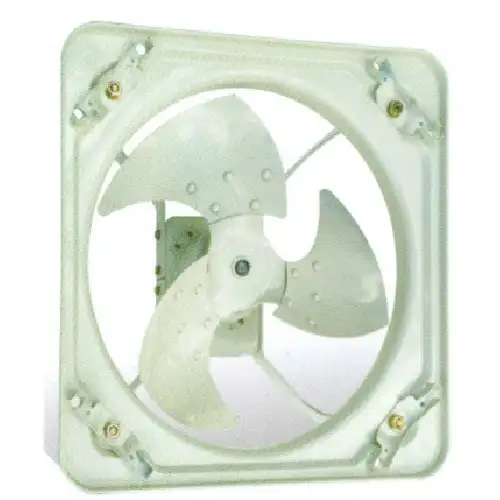
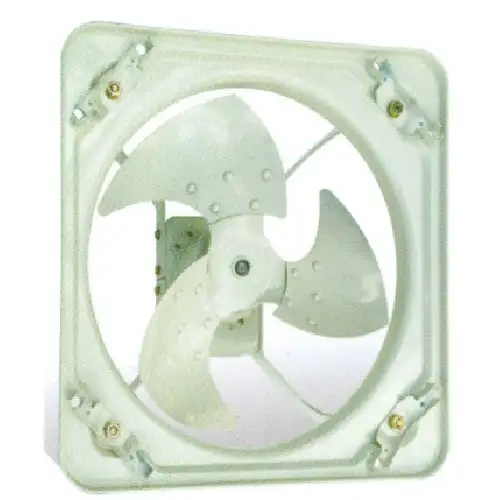
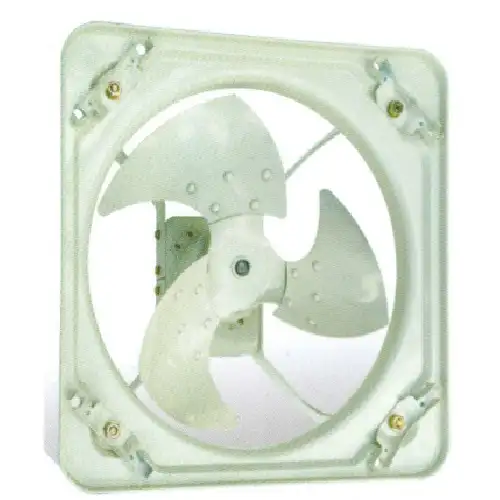
cool.sa supplies metal high pressure ventilating fans for the full range of Saudi industrial and process ventilation requirements. Heavy gauge steel construction, radial or paddle blade impellers, single and three-phase motors rated for elevated temperature service, and options for spark-resistant construction where flammable atmospheres are a concern.
What Makes These Fans Different
The phrase "high pressure" in an industrial fan context means static pressure capability well above what centrifugal HVAC fans typically handle. Where a standard AHU centrifugal fan operates at 300 to 800 Pa, metal high pressure fans are rated from 1,000 Pa up to 4,000 Pa and beyond on some designs.
The metal construction matters for two reasons. First, rigidity a high-pressure impeller working against 2,000+ Pa of resistance creates forces that will distort a plastic or sheet-metal scroll housing and throw the impeller out of balance. Welded steel or cast housings hold their shape. Second, temperature many industrial exhaust applications involve elevated air temperatures that plastic or lightweight materials can't handle.
The paddle blade (radial) impeller is the standard for dirty or contaminated airstreams. It doesn't clog like a curved blade. Dust, paint mist, wood shavings, welding fume all of it passes through without building up on the blade face and causing imbalance. That simplicity is why these fans have been the industry standard in industrial environments for decades.
Applications in Saudi Industrial Operations
Spray booth and paint shop exhaust: Automotive refinishing, industrial coating, marine painting. The airstream carries paint mist and solvent vapors. Spark-resistant fan construction is mandatory ATEX rated where the explosive atmosphere classification requires it. Fan must maintain negative pressure inside the booth to contain overspray. High static pressure capability is essential because spray booth filters load quickly and resistance rises sharply as they saturate.
Welding fume extraction: Fume from MIG, TIG, and stick welding contains metallic particles and gases. Radial blade fans handle this without blade fouling. The fume extraction system in a Saudi fabrication shop or structural steel yard needs fans that tolerate continuous heavy-duty operation in 45°C ambient.
Woodworking and joinery dust extraction: Saudi furniture manufacturing and fit-out contractors use centralized dust collection systems. Wood dust at concentration can be explosive, so spark-resistant fan options are relevant here as well.
Cement and building materials processing: Fine dust loads. High system resistance from bag filter housings and cyclone separators. Radial blade fans with heavy-duty shaft and bearing arrangements to handle the continuous load.
Chemical and petrochemical process ventilation: Corrosive vapors require specific material choices. Stainless steel impellers, epoxy-coated housing, fiberglass reinforced fans in extreme chemical environments. The Eastern Province petrochemical sector uses fans across a wide range of process gas handling applications.
Grain and agricultural storage: Grain dryers and storage silos. High airflow and pressure to push air through grain beds. Radial fans are standard.
Underground and confined space ventilation: Construction tunnels, utility vaults, and confined space entry. Portable high-pressure ventilating fans on flexible duct runs create positive pressure in the space and extract contaminated air.
Generator and transformer room exhaust: High heat loads from generator sets require substantial exhaust fans. The hot exhaust air has elevated temperature that rules out standard HVAC fans these metal units handle the thermal load.
Construction and Materials
Standard construction for metal high pressure ventilating fans:
- Housing: Heavy gauge mild steel, welded construction. Hot-dip galvanized or epoxy powder coated for corrosion protection.
- Impeller: Mild steel paddle blade, balanced to ISO 1940 Grade G6.3 or better. Stainless steel 304 or 316 available for corrosive service.
- Shaft and bearings: Solid steel shaft on self-aligning ball or roller bearings. External grease-lubricated bearings standard on larger units, pre-lubricated sealed bearings on smaller ones.
- Motor: IP55 or IP65 totally enclosed fan-cooled (TEFC) motor. Class F or H insulation. IEC frame mounting.
- Drive: Direct drive or belt drive depending on size and speed requirement.
For spark-resistant construction (ATEX zones or non-ATEX spark-resistant per AMCA), impeller material, housing material, and bearing clearances are all modified to prevent ignition. This is not a checkbox, it's an engineering requirement that needs to be verified against the hazardous area classification on your site.
Saudi-Specific Considerations
High pressure industrial fans in the Kingdom face some operating conditions that generic specs don't always address.
Summer ambient temperatures at industrial sites in the Riyadh plateau and the Eastern Province regularly reach 47 to 50°C. Motor thermal protection must be set correctly and checked. Bearing re-lubrication intervals should be shortened from the rated interval (which typically assumes 40°C ambient) when operating above that.
Shamal dust events load external filters and air intakes. In fan houses or ventilation plant rooms, inspect and clean fan housings after major dust events. Imbalance from dust accumulation on impeller blades is a common cause of vibration and premature bearing failure.
For coastal industrial sites (Jubail, Yanbu, Ras Al-Khair), salt-laden air attacks steel surfaces aggressively. Epoxy or polyurethane coating, galvanizing, or stainless steel construction are worth the premium over standard painted mild steel the rework cost when you're replacing a corroded fan in an active process plant is always more expensive than specifying correctly the first time.
Installation and Maintenance
These fans are designed to work hard. But they need proper maintenance to keep delivering.
Bearing lubrication: Check the manufacturer's lubrication interval and use the specified grease type. In Saudi heat, shorten the interval by 30% compared to the rated interval at 40°C ambient if your site runs hotter.
Impeller balance check: Annually, or after any event that may have impacted the impeller (hard debris through the fan, any contact during maintenance). Run-out and balance checks prevent vibration-induced bearing and shaft failures.
Belt inspection (belt-drive units): Belt drives on high-pressure fans transmit significant torque. Check tension and alignment every 3 months. In hot ambient conditions, belt degradation accelerates visual check for cracking or glazing monthly.
Inlet and outlet obstruction check: Industrial environments accumulate debris. Inlet guards and outlet ductwork can become partially blocked without being obvious. A blocked inlet is one of the most common causes of unexpected high motor current and overheating on industrial fan installations.
Frequently Asked Questions
Q1. What static pressure can metal high pressure fans achieve?
Typical metal high pressure ventilating fans operate in the range of 1,000 to 4,000 Pa static pressure depending on size, impeller design, and speed. Specific performance depends on the fan model and impeller diameter. Contact us with your required airflow and static pressure, and we'll confirm the appropriate unit.
Q2. Do I need a spark-resistant fan for my spray booth in Saudi Arabia?
If your spray booth handles flammable solvents or coatings, which virtually all automotive and industrial paint shops do a spark-resistant fan is required for both safety and compliance with insurance and regulatory requirements. Specify the hazardous area classification (Zone 1, Zone 2, or non-classified spark-resistant) based on your site's area classification, and we'll confirm the appropriate fan construction.
Q3. Can these fans handle hot exhaust air from industrial processes?
Yes, within limits. Standard metal fans handle airstream temperatures up to 80°C to 120°C depending on the motor mounting arrangement and bearing specification. For higher temperatures, fans with external motor mounting (where the motor is outside the hot airstream) significantly extend the allowable temperature range. Tell us your maximum airstream temperature, and we'll confirm suitability.
Q4. What is the difference between a paddle blade and a backward curved blade on a high pressure fan?
Paddle blade (radial) impellers are self-cleaning, allowing debris to pass through without accumulating. Their efficiency is lower than curved blade designs, but durability in contaminated airstreams is significantly higher. Backward curved blades are more efficient but require a clean airstream, as particulate matter and sticky contaminants can build up and quickly throw the impeller out of balance. For dirty industrial exhaust applications, paddle blade impellers are generally the preferred choice.
Q5. How do I maintain a metal high pressure fan in Saudi conditions?
Lubricate bearings at shortened intervals (every 2,000 to 3,000 hours rather than the standard 4,000 to 5,000 hours due to elevated ambient temperatures). Inspect and clean the impeller quarterly. Check belt tension and drive alignment monthly on belt-driven units. Inspect the housing annually for corrosion, especially in coastal environments. Ensure inlet guards remain clear and unobstructed at all times.
Q6. Are stainless steel fan options available for corrosive applications?
Yes. For applications involving corrosive gases, chemical vapors, or aggressive salt-air environments, stainless steel 304 or 316 impellers and housings are available. Confirm the specific corrosive agent being handled, as different chemicals affect stainless steel grades differently, and we'll recommend the correct material specification for your application.
 English
  العربية