




Types of Chiller Used in Saudi Arabia | HVAC Expert Guide

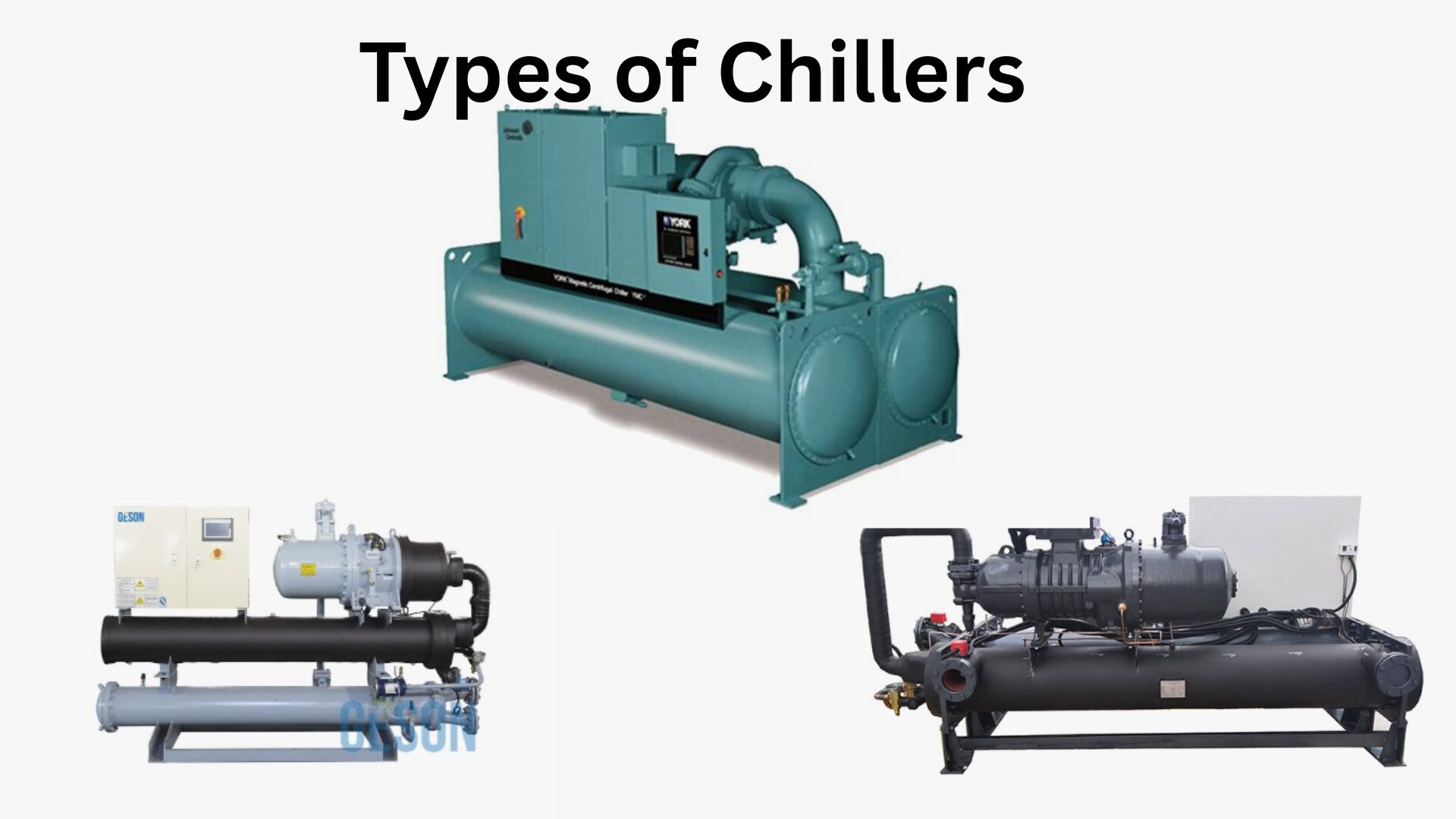
In Saudi Arabia, where temperatures can rise above 50°C during peak summer, a reliable cooling system is not a luxury, it is a necessity. Whether it is a shopping mall in Riyadh, a hospital in Jeddah, or a factory in Dammam, large buildings depend on powerful chillers to keep indoor spaces comfortable and equipment running safely. Understanding the types of chiller used in Saudi Arabia helps businesses choose the right cooling solution that saves energy, reduces costs, and performs well in extreme heat.
At Al Madina Cool, we work with different chiller technologies across the Kingdom. This HVAC expert guide explains the most common types of chiller systems, how they work, and where they are best used in Saudi Arabia.
What Is a Chiller?
A chiller is a machine that removes heat from a liquid, usually water, and then circulates that cooled water through air handling units or fan coil units to cool a building. Chillers are widely used in large commercial, industrial, and medical facilities in Saudi Arabia because they can handle heavy cooling loads efficiently.
There are several types of chillers, and each one is designed for specific applications, climates, and energy needs.
1. Air-Cooled Chillers
Air-cooled chillers are one of the most popular types of chillers used in Saudi Arabia. These systems use ambient air to remove heat from the refrigerant. The hot air is blown away using large fans installed on the chiller unit.
Why Air-Cooled Chillers Are Popular in Saudi Arabia
- They are easier to install
- They do not require cooling towers
- They use less water, which is important in dry regions
Because Saudi Arabia has limited water resources, air-cooled chillers are widely used in commercial buildings, offices, and malls. They are especially common in areas where water supply is restricted.
At Al Madina Cool, we often recommend air-cooled chillers for medium-sized buildings that need reliable cooling with low maintenance.
2. Water-Cooled Chillers
Water-cooled chillers are another major type of chiller used in Saudi Arabia. These systems use water from a cooling tower to remove heat from the refrigerant.
Although they need more installation space and water, they are more energy-efficient than air-cooled chillers.
Benefits of Water-Cooled Chillers
- Higher energy efficiency
- Better performance in high temperatures
- Longer equipment life
In Saudi Arabia’s hot climate, water-cooled chillers are ideal for large projects such as hospitals, hotels, airports, and industrial plants.
Many of the largest buildings in Riyadh and Jeddah rely on water-cooled chiller systems because they provide powerful and stable cooling.
Which Chiller Type Is Right for Your Building?
Air-cooled, water-cooled, screw, centrifugal, each chiller type fits a different project. Our HVAC engineers will assess your cooling load, building size, and budget, then recommend the right system for Saudi Arabia’s climate. Free consultation, no obligation.
3. Absorption Chillers
Absorption chillers work differently from traditional chillers. Instead of using electricity, they use heat energy, often from steam, hot water, or gas.
These chillers are commonly used in industries or facilities that already produce waste heat.
Why Absorption Chillers Are Used in KSA
- They reduce electricity consumption
- They use excess heat energy
- They are eco-friendly
In Saudi Arabia, absorption chillers are often found in oil and gas facilities, power plants, and large industrial operations. They are an excellent choice when energy efficiency and sustainability are priorities.
4. Centrifugal Chillers
Centrifugal chillers are designed for large cooling capacities. They are powerful, quiet, and extremely efficient.
These chillers use a centrifugal compressor to move refrigerant and remove heat from the system.
Where They Are Used
- Airports
- Mega malls
- Data centers
- High-rise towers
Saudi Arabia has many large infrastructure projects, and centrifugal chillers are a top choice for these facilities. They handle massive cooling loads with excellent performance.
5. Screw Chillers
Screw chillers use screw compressors and are known for their durability and energy efficiency.
They are often used in:
- Factories
- Process cooling
- Industrial plants
- Commercial buildings
Screw chillers perform very well in continuous operation, which makes them ideal for industrial cooling in Saudi Arabia’s demanding climate.
6. Scroll Chillers
Scroll chillers are smaller systems that are highly reliable and quiet. They are best suited for:
- Small hotels
- Clinics
- Office buildings
- Schools
These chillers offer stable cooling and are easy to maintain. In Saudi Arabia, they are commonly used where space is limited.
How to Choose the Right Type of Chiller
Choosing the correct type of chiller depends on several factors:
- Building size
- Cooling load
- Water availability
- Energy costs
- Climate conditions
At Al Madina Cool, our HVAC experts analyze your project and recommend the best chiller system for your needs. Whether you need an air-cooled chiller for a commercial building or a water-cooled system for a hospital, selecting the right equipment can save you thousands of riyals in operating costs.
From Selection to Commissioning – We Install Every Chiller Type
Whether you need an air-cooled chiller for a commercial building or a centrifugal chiller for a large industrial facility, our certified engineers handle design, installation, and commissioning across Riyadh, Jeddah, Dammam, and the entire Kingdom.
Why Chiller Selection Is Critical in Saudi Arabia
Saudi Arabia’s climate is one of the hottest in the world. High ambient temperatures can reduce the efficiency of poorly selected chillers. That is why it is important to use systems designed for extreme heat.
Modern types of chillers used in Saudi Arabia are built with:
- Heavy-duty compressors
- High-efficiency heat exchangers
- Smart control systems
These features ensure reliable performance even in extreme conditions.
Final Thoughts
Understanding the types of chiller used in Saudi Arabia helps businesses make better HVAC decisions. From air-cooled and water-cooled chillers to absorption and centrifugal systems, each type has its own advantages.
For the best services in selecting, installing, and maintaining cooling systems, trust Al-Madina Cool, the HVAC expert in Saudi Arabia. With over 15 years of experience in the field, we ensure the right system for you, providing powerful cooling, lower energy bills, and long-lasting reliability, even in the kingdom’s hottest temperatures.
Already Have a Chiller? Keep It Running at Peak Performance
Saudi Arabia’s heat and dust take a toll on every chiller type. We provide expert maintenance, emergency repair, and genuine OEM spare parts for Trane, York, Carrier, and all major brands, keeping your system efficient and reliable year-round.
 English
  العربية